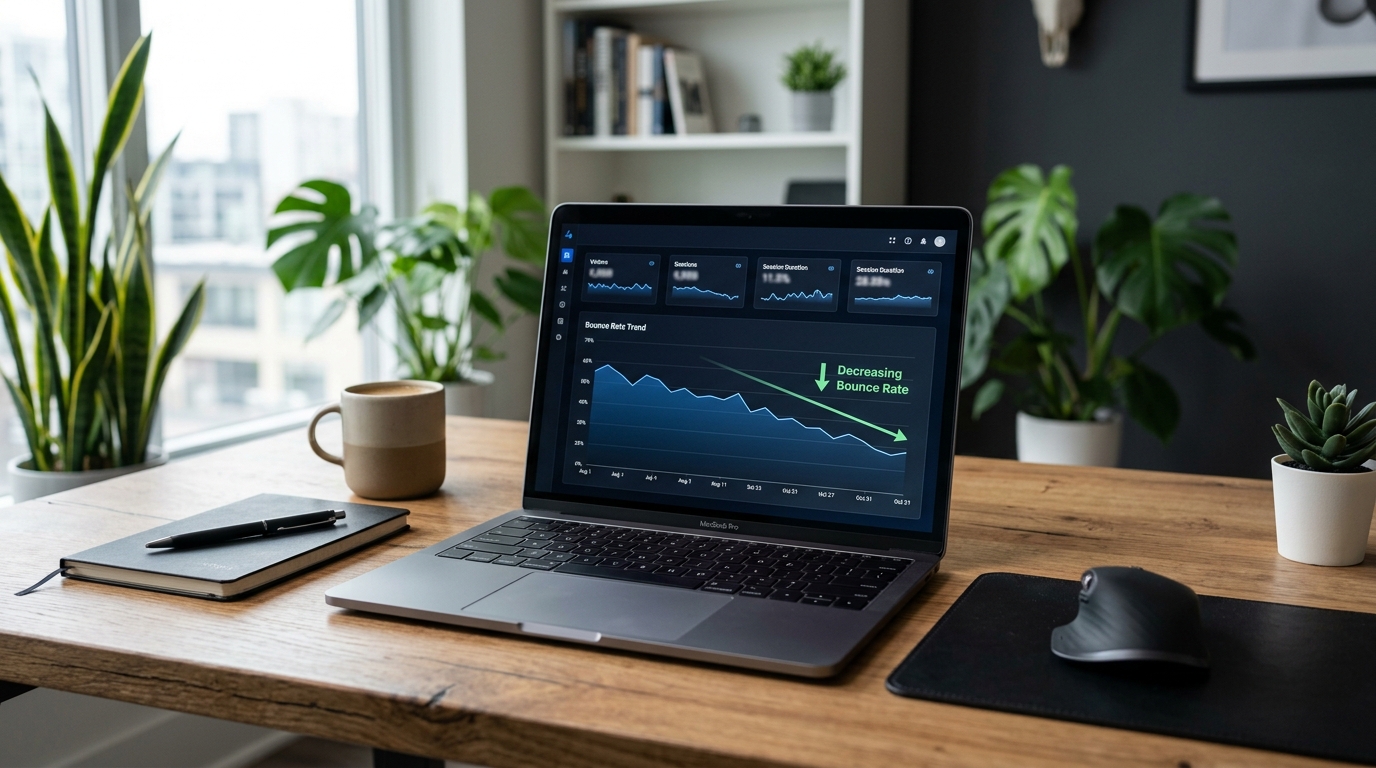
Understanding What a High Bounce Rate Means for Your SMB
A high bounce rate often signals a fundamental disconnect between visitor expectations and page experience. When users land on your page and leave without taking an action—such as clicking a link, filling out a contact form, or starting a chat—search engines interpret this as a sign of poor relevance or substandard user experience.
For small businesses in competitive markets across India, the UK, and the USA, unaddressed bounce rates translate directly into lost leads and wasted ad spend. Identifying whether the issue stems from technical performance, confusing navigation, or mismatched search intent is the critical first step toward recovery.
Diagnose Page Speed and Technical Bottlenecks
Slow loading pages are the primary driver behind immediate visitor exits. If your website takes longer than 2.5 seconds to render main content, mobile users will hit the back button before seeing your offer. Common technical culprits include:
- Uncompressed Images: Oversized graphics that bloat page weight.
- Unused JavaScript & CSS: Render-blocking code from unnecessary plugins or heavy themes.
- Subpar Hosting: Inadequate server response times during traffic spikes.
Regular technical audits and comprehensive maintenance ensure your core web vitals remain green. Explore our WordPress maintenance plans to resolve underlying server and performance bottlenecks automatically.
Align Content Above the Fold with Search Intent
When a prospective customer clicks on your link, they need immediate visual confirmation that they have arrived at the right destination. If your hero section is cluttered or vague, engagement drops instantly.
To fix high website bounce rate using content structure, implement these proven layouts:
- Clear Value Statement: State exactly what service or product you offer in one punchy heading.
- Direct Call-to-Action (CTA): Place a visible button like 'Get a Free Quote' or 'Book a Consultation' above the scroll line.
- Trust Indicators: Display quick client logos, reviews, or security badges near the primary headline.
Improve Mobile Navigation and Readability
With more than 60% of total web traffic originating from mobile devices, a poor mobile experience guaranteed high bounce rates. Desktop layouts that compress poorly onto smaller screens force users to pinch, zoom, or struggle with tiny tap targets.
Ensure your font sizes are at least 16px for body text, break up long paragraphs into digestible 2-3 sentence blocks, and space out clickable elements to prevent accidental taps. A streamlined mobile navigation menu helps visitors locate key service pages in two clicks or less.
Deploy Interactive Chat Widgets to Engage Visitors Instantly
Static web pages often fail to hold attention if users have specific questions that require fast answers. Integrating proactive, intelligent chat tools gives hesitant visitors an immediate reason to interact rather than exit.
Implementing custom AI website chatbots or direct WhatsApp messaging prompts allows small businesses to capture inquiries automatically 24/7. When visitors receive instant responses to pricing or service questions, site engagement increases and bounce rates drop significantly.